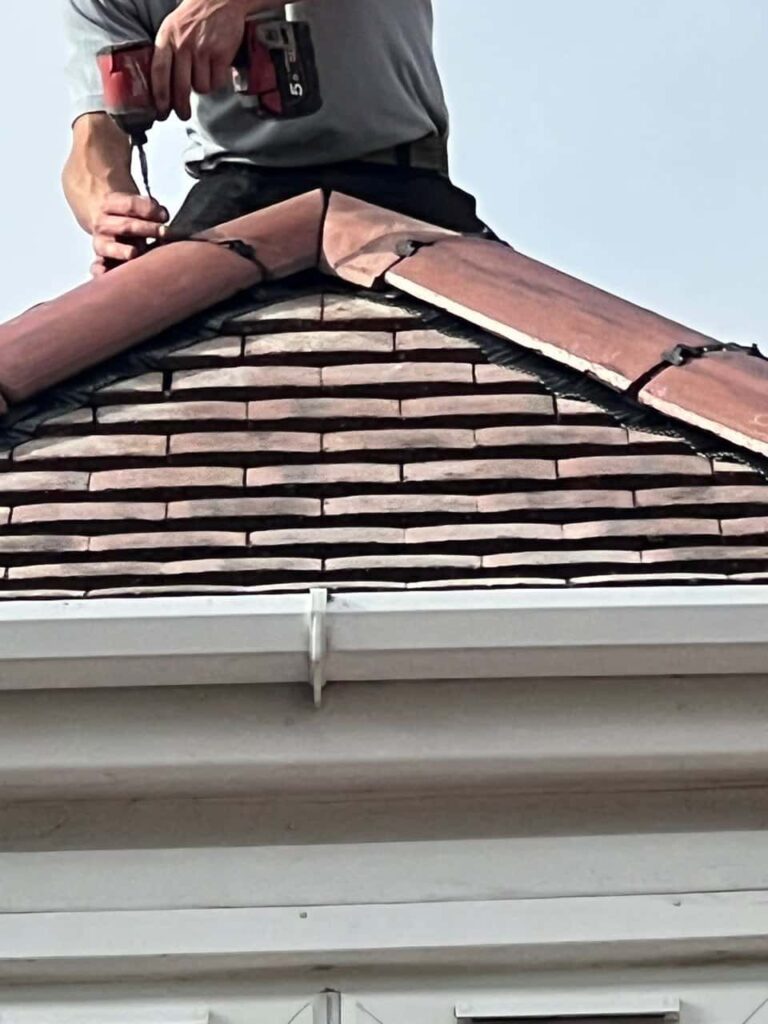
Not every roofing problem requires an emergency response. A small defect that is stable and not allowing water into the property may be suitable for a planned repair. Other problems, however, can leave a property exposed to further damage or involve roofing materials that have become loose and unstable.
Knowing the difference is important. Roofing problems rarely improve on their own, and certain defects can deteriorate quickly when exposed to wind and rain. Acting promptly can help contain the affected area and prevent a relatively localised problem from spreading.
For homeowners in Brandon, Suffolk, understanding the warning signs of a genuine roofing emergency can help you decide when professional attention should be arranged without unnecessary delay.
What Makes a Roofing Problem an Emergency?
A roofing problem should generally be treated as urgent when there is an immediate risk of significant water ingress, unstable roofing materials or rapid deterioration.
The seriousness of the situation depends on factors such as:
- How much of the roof is affected
- Whether roofing materials are loose or displaced
- Whether water is actively entering the property
- Whether the roof has been significantly damaged
- Whether the problem is worsening during poor weather
- Whether parts of the roof covering have become exposed
The important distinction is between a defect that can reasonably remain stable until a planned repair and one that could become substantially worse if left unattended.
Active Water Entering the Property
Significant water ingress is one of the clearest reasons to seek urgent roofing assistance.
A small internal mark does not necessarily mean that large quantities of water are entering the roof. However, active dripping, spreading damp patches or water entering during rainfall should not be ignored.
Water can travel away from the original entry point before becoming visible indoors. This means the defect may not be directly above the place where the leak appears.
Professional inspection is important for identifying the actual source rather than simply treating the visible internal symptom.
Large Areas of Missing or Displaced Tiles
One slipped tile does not always constitute an emergency, although it should still be repaired before the exposed area deteriorates.
The situation becomes more urgent when several tiles or slates have moved or been lost.
A larger exposed section can allow wind-driven rain to reach components beneath the roof covering. Further tiles may also become vulnerable if surrounding materials have been disturbed.
Following strong winds, homeowners should pay particular attention to visible changes in the roof covering.
Signs can include gaps, uneven tile lines or roofing materials found on the ground around the property.
Loose Roofing Materials Need Prompt Attention
Roofing materials that remain partially attached can be more concerning than materials that have already fallen.
A tile, section of flashing or other component that has become loose may move further in subsequent wind.
Do not attempt to climb onto the roof to investigate or reposition loose materials yourself. Roofing surfaces can be difficult to access safely, particularly during wet or windy conditions.
The appropriate response is to keep away from the affected area and arrange professional inspection.
Significant Storm Damage
Poor weather can expose existing weaknesses within a roofing system or create sudden new damage.
Strong winds can lift tiles, disturb ridge components and affect flashing. Heavy rainfall can then exploit newly exposed areas.
Storm-related roofing problems may require urgent attention where there is:
- A substantial section of displaced covering
- Active water ingress
- Clearly loose materials
- Damage affecting several areas
- A newly exposed part of the roof
- A sudden change in the roof’s visible shape
An inspection can establish the extent of the damage and determine what work is required to make the roof secure.
Damage to Flat Roofing That Allows Water In
Flat roofs can develop urgent problems when the waterproof covering becomes significantly damaged.
Splits, tears, failed joints or other defects can provide a route for water into the roof construction. Standing water around an already damaged section can increase the urgency of inspection.
A small surface imperfection and an active leak are not the same situation.
Where water is entering through a flat roof, professional attention should be arranged promptly so that the cause and extent of the failure can be assessed.
Problems Around Flashing and Roof Junctions
Some of the most vulnerable parts of a roof are where different surfaces and materials meet.
Flashing helps protect these junctions from water penetration. If it becomes significantly loose, displaced or deteriorated, water may gain access behind the surrounding roof covering.
These defects can occur around features and changes in the roof structure.
If damaged flashing is already allowing water into the property, it should be treated as an urgent repair rather than waiting for the problem to become more extensive.
When a Roof Suddenly Appears Uneven
A noticeable and sudden change in the shape or alignment of a roof deserves immediate professional assessment.
This is different from an isolated broken tile.
If an area appears to have dropped, moved or changed shape significantly, avoid attempting to investigate it from the roof itself. The condition needs to be assessed by an experienced roofer who can determine what has moved and why.
Unexpected changes in the roof’s overall form should never be treated as a routine cosmetic issue.
Emergency Problems Around Ridge Tiles
Ridge tiles occupy an exposed position at the highest parts of many pitched roofs.
If a ridge tile becomes loose or displaced, surrounding sections may also require inspection. Movement can expose areas beneath and leave components vulnerable to further weather.
A visibly unstable ridge component is particularly important to address because waiting for it to detach completely is not an appropriate maintenance strategy.
Professional assessment can determine whether the problem is isolated or whether a longer section requires attention.
What If a Tree or Large Branch Has Hit the Roof?
Impact damage should be treated seriously even when the full extent of the problem is not immediately visible.
A heavy branch can damage tiles or slates and may also affect underlying roofing components.
Avoid assuming that everything is satisfactory simply because the roof still appears broadly intact from ground level.
Where a substantial impact has occurred, professional inspection can determine whether damage extends beyond the visible surface.
A Small Leak Can Still Become Urgent
The amount of water visible indoors does not always reflect the size of the roofing defect.
A relatively small drip may indicate that moisture has already travelled through part of the roof before becoming visible.
A leak becomes particularly concerning when:
- It worsens during rainfall
- The damp area is spreading
- More than one internal area is affected
- It returns after previous repairs
- Water is entering continuously
- The source cannot be identified
The earlier the route of water penetration is established, the easier it is to understand what roofing work is actually required.
Repeated Leaks Can Indicate a Wider Problem
An emergency repair may stop an immediate leak, but that does not necessarily mean the wider roof should be ignored.
If water ingress repeatedly occurs in different areas, there may be broader deterioration requiring further investigation.
Once the immediate problem has been controlled, the condition of the surrounding roof should be assessed.
This is particularly important for roofs that have already undergone several localised repairs.
Emergency Repairs and Permanent Repairs Are Not Always the Same
The first priority during an urgent roofing situation may be preventing the problem from becoming worse.
Depending on the conditions and type of damage, the immediate work may focus on securing vulnerable materials or controlling water entry.
A complete permanent repair may then follow once the affected area can be properly assessed and appropriate work carried out.
This distinction is important because emergency roofing should not simply hide the problem. The underlying defect still needs to be understood and resolved.
When Is a Roofing Problem Less Likely to Be an Emergency?
Some defects require professional repair but may not demand an immediate emergency response.
Examples can include an isolated damaged tile that remains stable, minor weathering or a defect that is not currently allowing water into the property.
However, “not an emergency” does not mean “ignore it”.
Small roofing defects can develop into larger problems if weather reaches vulnerable areas repeatedly. Arranging an inspection within a reasonable timeframe can help prevent routine maintenance from becoming urgent repair work.
What Should You Do While Waiting for a Roofer?
If you suspect serious roof damage, prioritise keeping away from the affected external area.
Do not climb onto the roof, particularly during poor weather.
Inside the property, move belongings away from active water ingress where this can be done safely. If water is entering near electrical fittings or there are other immediate hazards inside the property, keep clear of the affected area.
Most importantly, contact a professional roofer and describe what you can observe safely from ground level or inside the property.
Useful information includes when the problem started, whether it followed poor weather, where water is visible and whether any roofing materials appear to have moved.
Why Prompt Inspection Matters
Emergency roofing work is not simply about stopping visible water.
A professional inspection helps determine:
- Where the damage originated.
- How large the affected area is.
- Whether surrounding materials remain secure.
- Whether water has reached underlying components.
- What is required to stabilise the roof.
- What permanent repair will address the cause.
This prevents the response from focusing only on the most obvious symptom.
Emergency Roofing Repairs in Brandon
At Brandon Roofing Repairs, we provide professional roofing services throughout Brandon, Suffolk, including assistance with urgent roofing problems.
Where a roof has developed significant water ingress, loose materials, storm damage or another rapidly developing defect, prompt assessment can help establish what needs to be done to secure the affected area and prevent unnecessary further deterioration.
Our approach focuses on identifying the actual cause of the roofing problem so that the work carried out provides an appropriate solution rather than simply disguising the visible symptoms.
Conclusion
Roofing problems should be treated as an emergency when they create an immediate risk of substantial water ingress, involve loose or unstable roofing materials, expose significant areas of the roof or appear likely to deteriorate rapidly.
Active leaks, extensive displaced tiles, significant storm damage, unstable ridge components and serious impact damage are all situations where prompt professional assessment is sensible.
Smaller defects may not require an emergency response, but they should still be addressed before they have an opportunity to develop.
If you have an urgent roofing problem at your property in Brandon, Suffolk, contact Brandon Roofing Repairs. We can assess the affected roof, identify the cause of the problem and determine the appropriate repair needed to restore its protection.
Call us on: 01842 778 596
Click here to find out more about Brandon Roofing Repairs
Click here to complete our contact form and see how we can help with your roofing needs.