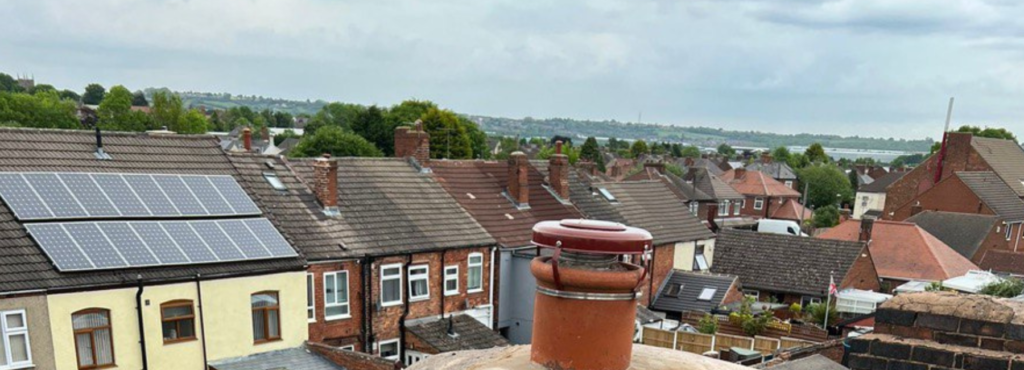
Strong winds and severe weather can put significant pressure on a roof. Even when there is no obvious major damage, loose tiles, displaced ridge components, damaged flashing or blocked drainage can leave a roof more vulnerable to further problems.
For property owners in Brandon, Suffolk, checking the roof after severe weather is an important part of ongoing maintenance. Identifying damage early can help prevent water from entering the property and reduce the risk of more extensive deterioration.
What Types of Roof Damage Can Strong Winds Cause?
Wind does not need to remove an entire section of roofing to cause a problem. Smaller areas of damage can still affect the roof’s ability to keep the building watertight.
Common issues following severe weather include:
- Slipped, cracked or broken roof tiles
- Loose or displaced ridge tiles
- Damaged roof coverings
- Lifted or damaged flashing
- Loose guttering and downpipes
- Damage around roof edges and joints
- Blocked gutters caused by fallen leaves and debris
The severity of the damage can depend on the roof’s condition, its materials and the intensity of the weather.
How Can You Tell If Your Roof Has Storm Damage?
Some damage is visible from ground level, while other problems may only become apparent when water enters the property.
After strong winds or heavy rainfall, look for missing or visibly displaced tiles, pieces of roofing material in the garden and damaged guttering. Inside the property, check ceilings and upper walls for new damp patches, water marks or signs of moisture.
It is not advisable to climb onto a roof to inspect it yourself after severe weather. Loose materials and wet surfaces can create additional hazards. A professional inspection can provide a safer and more thorough assessment.
Why Should Damaged Roof Tiles Be Repaired Promptly?
A missing or damaged tile can leave the area underneath exposed to rainfall and wind. Even if there is no immediate leak, continued exposure can allow moisture to reach parts of the roof structure that are normally protected.
Replacing or securing damaged tiles can restore the affected section and help prevent further water ingress.
It is also important to check surrounding tiles, as movement in one area can sometimes indicate that neighbouring components have also been affected.
What About Damaged Flashing and Ridge Tiles?
Flashing is used around vulnerable areas such as roof junctions, chimneys and other transitions. If strong winds loosen or damage flashing, water may find a route into the roof even when the main roof covering appears intact.
Ridge tiles can also become loose during severe weather. Because they are positioned at the highest part of the roof, they are particularly exposed to wind.
These components should be inspected and repaired or secured where necessary rather than simply left in place after a storm.
Can Gutters and Drainage Be Affected by Storms?
Storm conditions can leave gutters filled with leaves, twigs and other debris. Damaged or displaced guttering can also prevent rainwater from draining correctly.
If water is unable to flow away from the roof properly, it can overflow against walls or roof edges. Checking gutters, outlets and downpipes after severe weather can therefore be an important part of roof maintenance.
What Should You Do After Severe Weather?
If you suspect your roof has been damaged, carry out a visual inspection from a safe position. Look for obvious signs such as missing tiles, loose materials, damaged gutters or water marks inside the property.
Do not attempt to repair loose roof components yourself, particularly if the roof is wet or unstable. Instead, arrange for a professional roofing inspection so the condition of the roof can be assessed properly.
Addressing visible damage early can help prevent a minor defect from developing into a more significant roofing problem.
How Can Brandon Roofing Repairs Help?
Brandon Roofing Repairs provides professional roofing repair services in Brandon, Suffolk. Following severe weather, we can inspect areas that may have been affected by wind and rainfall, including roof coverings, ridge tiles, flashing and drainage components.
Where damage is identified, suitable repairs can be carried out to restore the affected areas and help maintain the roof’s weather resistance.
If you have noticed possible storm damage to your roof in Brandon, Suffolk, contact Brandon Roofing Repairs to arrange a professional inspection.
Conclusion
Severe weather can cause a range of roofing problems, from slipped tiles and loose ridge components to damaged flashing and blocked gutters. Some issues may be immediately visible, while others can lead to water ingress later.
Checking your roof after periods of strong wind and heavy rain and arranging professional repairs where necessary can help protect the property and maintain the condition of the roof. For properties in Brandon, Suffolk, Brandon Roofing Repairs can assess storm-related damage and carry out appropriate repairs.
Call us on: 01842 778 596
Click here to find out more about Brandon Roofing Repairs
Click here to complete our contact form and see how we can help with your roofing needs.