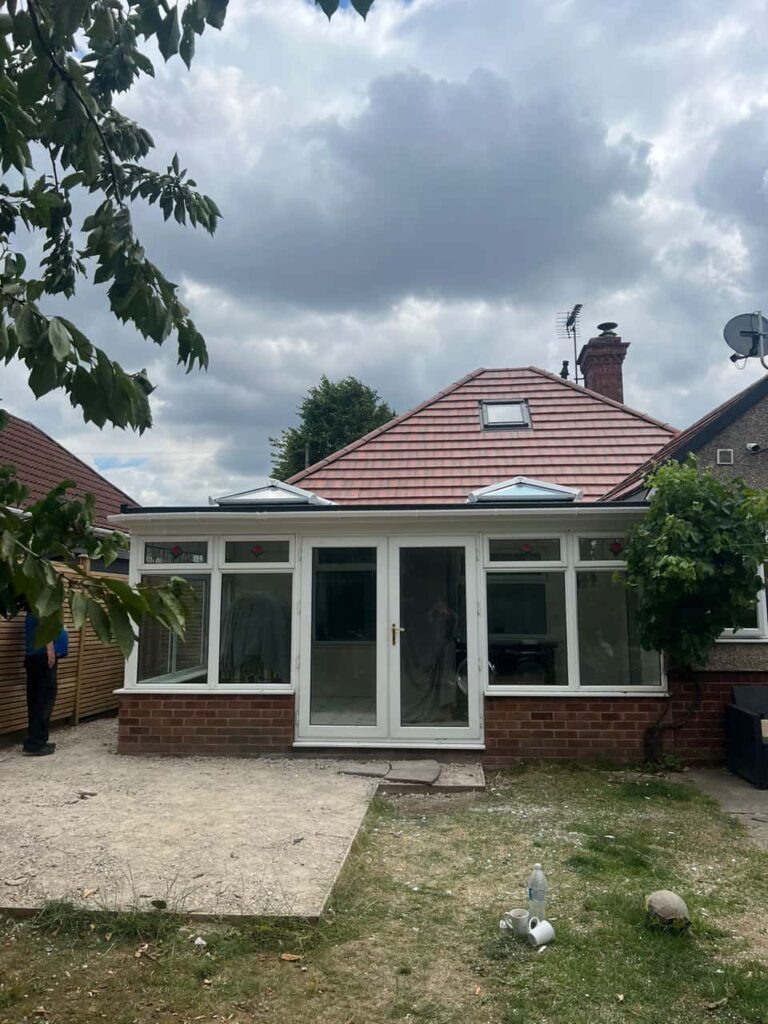
Severe weather can cause sudden roof damage, leaving a property vulnerable to water ingress, draughts and further structural problems. Strong winds may dislodge roof tiles, heavy rainfall can expose existing weaknesses, and falling branches can damage roofing materials or gutters. Knowing what to do when damage occurs can help protect your property while you arrange professional repairs.
For homeowners in Brandon, Suffolk, acting promptly after a storm is particularly important when there are signs of water entering the property or sections of the roof have become unstable. Brandon Roofing Repairs can assess storm-related roofing problems and recommend suitable repairs to help restore the roof’s protection.
What to Do Immediately After Storm Damage
Your first priority should be safety. A damaged roof can contain loose tiles, unstable materials and weakened sections that may fall without warning. Avoid climbing onto the roof or attempting to inspect damaged areas from a ladder, especially during wet or windy conditions.
Instead, take these practical steps:
- Check for visible damage from the ground. Look for missing tiles, displaced ridge tiles, damaged gutters or debris around the property.
- Look for signs of water ingress indoors. Check ceilings, loft spaces that can be accessed safely, and upper-floor rooms for damp patches, dripping water or staining.
- Protect belongings. If it is safe to do so, move furniture and valuables away from leaks and place suitable containers beneath dripping water.
- Keep clear of electrical hazards. If water is entering near lights, sockets or electrical equipment, avoid the affected area and seek appropriate assistance.
- Arrange a professional assessment. Contact a roofing specialist to establish the extent of the damage and determine the repairs required.
If you notice a sagging ceiling, keep people away from the area and do not attempt to touch or puncture it. Water accumulation can make a ceiling unstable.
Common Types of Severe Weather Roof Damage
Different weather conditions can affect roofing materials in different ways. Recognising the potential problems can help you explain what has happened when arranging an inspection.
Missing or Dislodged Roof Tiles
Strong winds can lift, crack or dislodge roof tiles and slates, exposing the underlying roof structure to rain. Even a small gap can allow water to penetrate, particularly when rainfall is driven sideways by gusts.
Missing tiles may be obvious from the ground, but nearby tiles can also become loose without falling immediately. A professional inspection can identify the affected areas and establish whether additional tiles or roof components need attention.
Leaks Following Heavy Rainfall
Heavy or prolonged rainfall can reveal weaknesses around flashing, roof valleys, ridges and other junctions. Water may also enter through damaged underlay or gaps around roof penetrations.
A damp patch on a ceiling does not always indicate that the fault is directly above it. Water can travel along roof timbers before becoming visible indoors, making accurate diagnosis important.
Prompt roof leak repairs can help prevent moisture from damaging insulation, timber and internal finishes.
Damaged Flashing and Ridge Tiles
Flashing helps seal vulnerable junctions, including areas where the roof meets a chimney or adjoining structure. Severe weather can loosen flashing, damage its edges or expose gaps that allow water inside.
Ridge tiles can also become loose or cracked during strong winds. Because these components help protect important roof junctions, damage should be assessed and repaired before further rainfall worsens the problem.
Damage from Falling Branches or Debris
Branches and windblown debris can crack tiles, damage roof coverings and affect gutters or roofline components. Even when the damage appears limited, the impact may have disturbed materials beneath the visible surface.
Avoid removing heavy debris from the roof yourself. A roofing professional can assess the affected area and determine whether repairs to the covering or supporting structure are necessary.
Why Prompt Emergency Roof Repairs Matter
A damaged roof can allow water to enter the building every time it rains. Over time, moisture may affect roof timbers, insulation, plasterwork and ceilings. Persistent dampness can also encourage mould growth and create additional problems indoors.
Loose roofing materials present another concern, as they may become dislodged in subsequent gusts of wind. Addressing damage promptly helps reduce the risk of further deterioration and can make the eventual repair process more straightforward.
Emergency roof repairs focus on addressing immediate vulnerabilities and preventing additional water ingress. Depending on the findings, this may involve replacing missing tiles, securing affected sections or repairing damaged flashing. Further work may be recommended if the inspection identifies more extensive problems.
What to Expect from a Professional Roof Repair Service
When you contact Brandon Roofing Repairs, explaining what happened and describing any visible symptoms can help the team understand the situation before attending.
A professional assessment typically involves examining the affected roof area, identifying the likely source of the damage and checking for related problems. The appropriate repair method will depend on the roof covering, the extent of the damage and the condition of the surrounding materials.
Where immediate work is required to reduce further exposure to the weather, suitable temporary protection may be considered, followed by permanent repairs when conditions allow. Work should only be carried out when it is safe to access the roof.
Clear communication about the findings and recommended next steps helps you understand what needs attention and how the roof can be restored.
How to Reduce the Risk of Future Storm Damage
Although severe weather cannot be prevented, regular roof maintenance can help identify weaknesses before they become urgent problems.
Arrange periodic checks for cracked or loose tiles, deteriorating flashing, damaged ridge sections and blocked or defective gutters. Keep an eye on internal signs such as recurring damp patches, unexplained staining or water marks in the loft.
If you notice a minor roofing issue, having it assessed before the next spell of severe weather may help prevent a more disruptive repair later.
Conclusion
Severe weather can cause missing roof tiles, damaged flashing, leaks and other problems that leave a property exposed to further damage. Prioritising safety, checking for signs of water ingress and arranging a professional assessment are sensible first steps after a storm.
For homeowners in Brandon, Suffolk, Brandon Roofing Repairs can help identify storm-related roofing faults and recommend appropriate repairs. If your roof has been damaged by strong winds, heavy rain or falling debris, get in touch to discuss the problem and arrange a professional assessment.
Call us on: 01842 778 596
Click here to find out more about Brandon Roofing Repairs
Click here to complete our contact form and see how we can help with your roofing needs.